In this guide
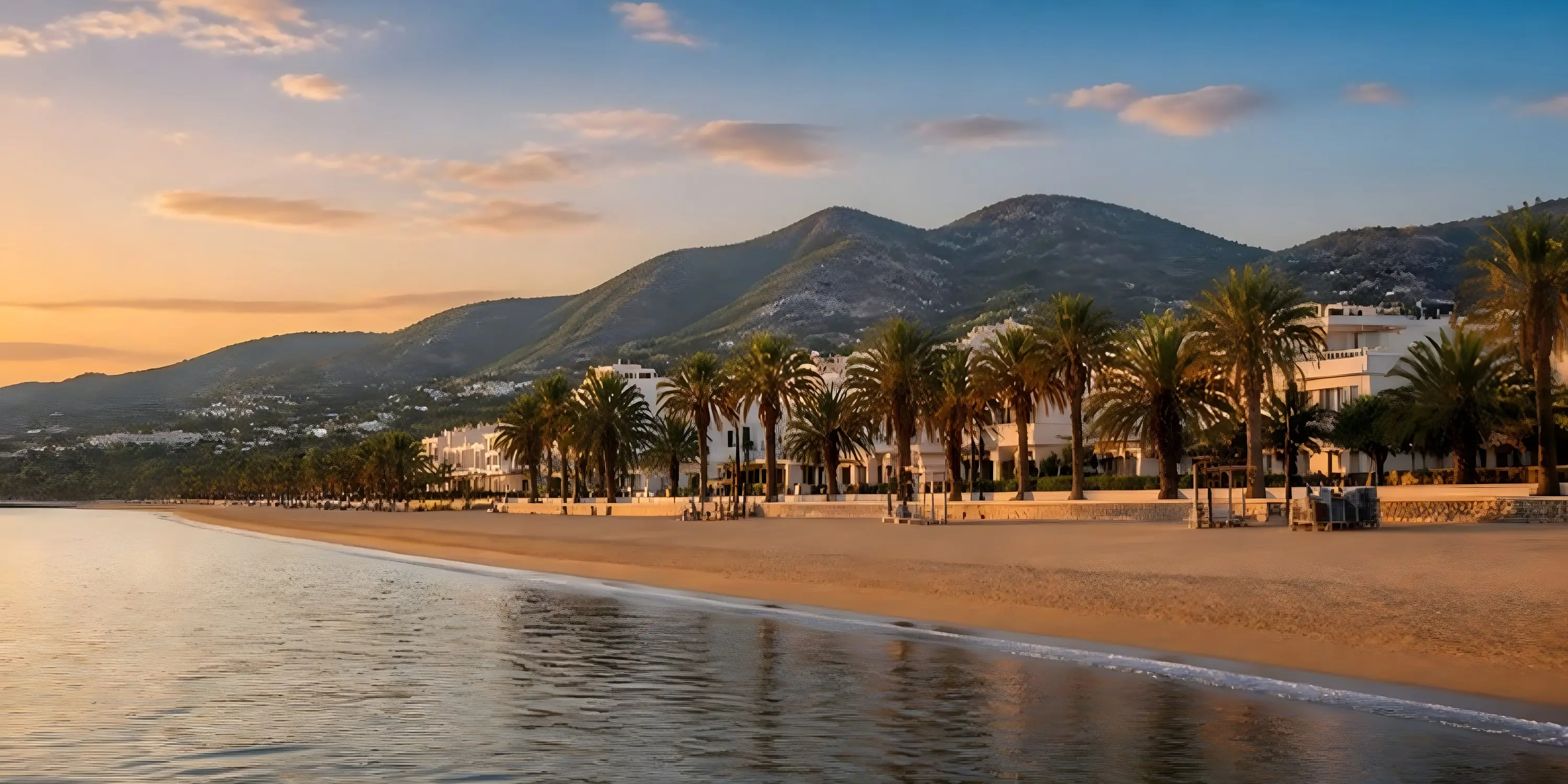
Where to live in Estepona comes down to one question: do you want to walk everywhere, or do you want space, views and a car? Old Town, Centre and Port are the first answer; the New Golden Mile, Selwo, the west towards Casares and the mountain are the second. In between sits the newer Estepona growing around the fairground and the hospital.
We wrote it from our head office, in Estepona: each area with the same structure, a comparison table, the services and what costs more per square metre.
What is Estepona like today?
A town of 79,621 people (INE register, 1 January 2025), up from 64,468 in 2011 and 71,696 in 2021: 11 % more in four years. More than one in four registered residents is a foreign national (27.9 %, INE 2023), but it remains an Andalusian town with a life of its own all year, not a resort with a shopping centre.
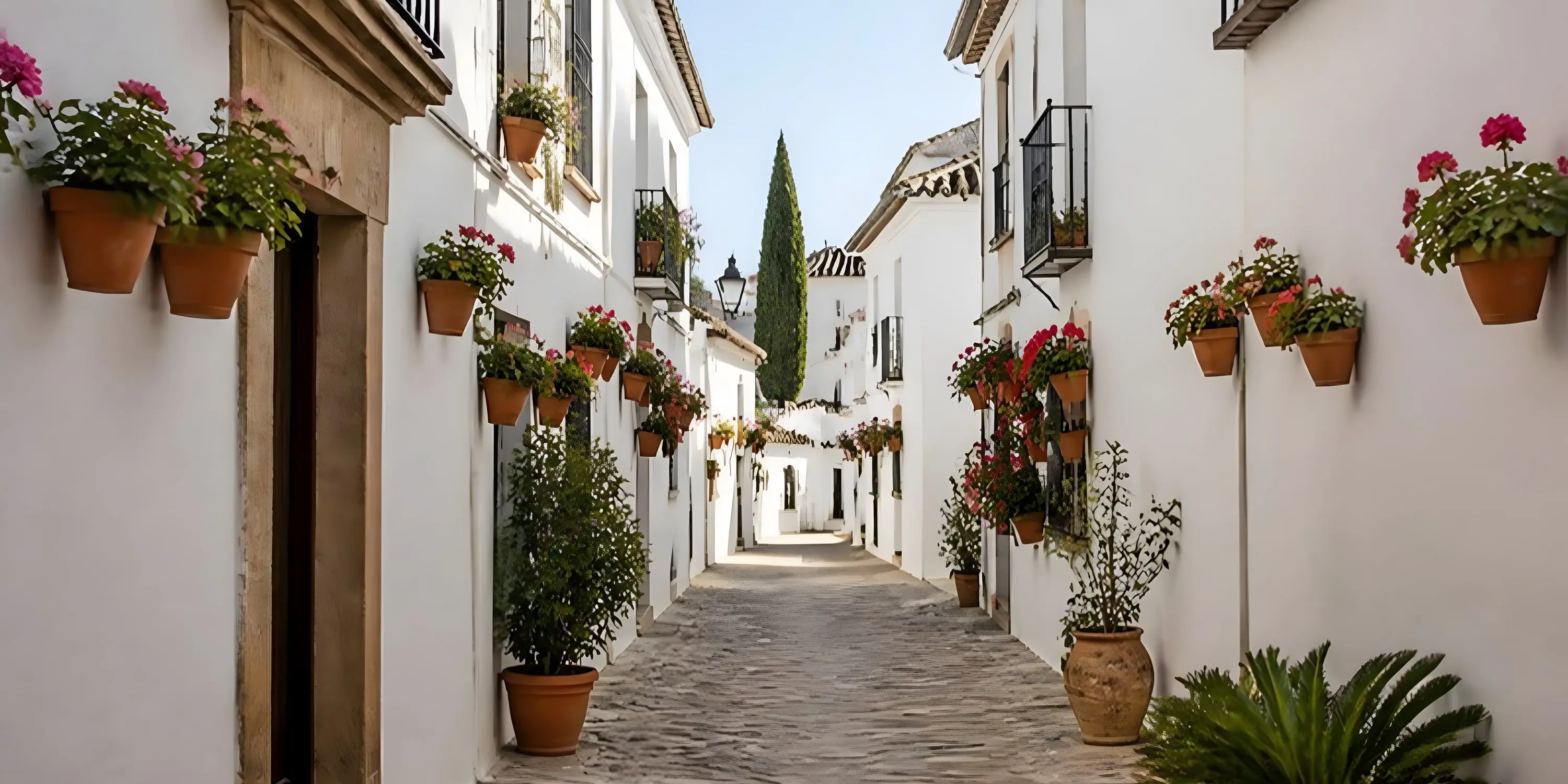
It is called the garden of the Costa del Sol because of its old town: whitewashed pedestrian streets with flower pots on every façade, the Plaza de las Flores and a Murals Route that passed 60 works in 2024. It has 21 km of coastline (Turespaña) with an almost continuous coastal footpath, a flat promenade and a marina with 447 berths. To the north, Sierra Bermeja.
Málaga airport is about 80 km away by the AP-7, 50 to 65 minutes (up to 75 in July and August); Gibraltar airport, about 45 km and 35 to 40 minutes. Marbella is 25 km away; Sotogrande, 20.
Which areas are there, and who is each one for?
Old Town (Casco Antiguo)
What it is like. Narrow pedestrian streets, one- and two-storey houses with a patio and a roof terrace, the food market, bars that have been there for decades and new shops. La Rada beach is a five-minute walk. In summer, terraces until late; in winter, neighbours who greet each other.
Who it suits. Anyone who wants to live without a car and with life on the doorstep: couples, international buyers and people buying to renovate.
What you can buy. Restored traditional houses (many with a roof terrace and sea views), flats in small buildings and the occasional development of a few homes. A garage, almost never.
For and against. Charm, everything within reach and it rents well. Against: parking, little supply and a high price per square metre; older houses need work and a licence check.
Centre and seafront promenade
What it is like. Around the old town: the shopping avenues, the promenade, Huerta Nueva, Calvario and Parque Central, being rebuilt as a boulevard with parking due by the end of 2026. This is where Estepona's own residents live: schools, health centre and supermarket five minutes away.
Who it suits. Families who work in town, anyone who wants the promenade without the tightness of the old town, and older buyers who prefer flat streets and services.
What you can buy. Flats from the 1970s to the 2000s with a garage, penthouses over the promenade and new builds in Las Mesas, next to the conference centre.
For and against. Life all year, the beach on foot and a good ratio of price to space. Against: some streets have buildings in need of renovation, and summer traffic.
The Port
What it is like. The western end of the promenade: fishing harbour and marina, restaurants, a Sunday market and, behind it, El Cristo beach, the most sheltered in town. Seghers, the pine-covered hillside above the port, is almost part of it.
Who it suits. Anyone who wants the sea in front and a harbour life: a terrace, a boat, a run along the promenade. Many international buyers and second homes that get used properly.
What you can buy. Apartments and penthouses in the port blocks, villas and townhouses with views in Seghers, and recent developments between the two.
For and against. Atmosphere, views and a good beach. Against: it costs as much per square metre as the old town, and in summer the port does not sleep.
Estepona East and the New Golden Mile
What it is like. Almost 20 km of coast between the centre and San Pedro, on both sides of the A-7: a chain of developments, not one neighbourhood. Cancelada is the local village, with state schools, a health centre and shops; Bel Air, next to it, is residential and family-oriented. Atalaya and El Paraíso live around their golf courses; Los Flamingos, on the border with Benahavís, is the Villa Padierna hotel's estate; Casasola, by the Guadalmina, is the gateway to San Pedro. Hospiten is here.
Who it suits. Families with children at an international school, golfers, anyone who works from home with a garden and pool, and people who want Puerto Banús ten minutes away without paying Marbella prices.
What you can buy. Everything: villas on their own plot, townhouses in developments with a pool, apartments with a large terrace and plenty of new construction on the front line, in El Paraíso and in Cancelada.
For and against. Space, golf, schools and quiet beaches with beach bars (Saladillo, Costalita, El Velerín). Against: a car for everything and the A-7 at rush hour. Check whether the development is lived in all year.
Selwo
What it is like. The hillside east of town, between the A-7 and the toll motorway, with the Selwo Aventura wildlife park, the riding club and, below, Laguna Village beach and the Kempinski. Terraced developments, greenery and sea views from almost all of them.
Who it suits. Anyone who wants views and quiet five minutes by car from the centre; families at the American school (Atlas, in Selwo Hills); investors who let by the season.
What you can buy. Apartments and penthouses in complexes with pools and gardens, many from the last fifteen years; the occasional large villa further up.
For and against. Views, a better ratio of price to space than the old town or the port, and good for letting. Against: nothing without a car, hills, and in some developments more holiday homes than neighbours.
Bahía Dorada and the west towards Casares
What it is like. Past the port the coast changes: lower density, beaches open to the Atlantic (Guadalobón, Arroyo Vaquero, La Galera) and developments on both sides of the A-7. First Costa Natura and Valle Romano Golf; then Bahía Dorada, about 8 km from the centre, a 1970s holiday village designed by Aubrey David with no cars inside, six communal pools and an English-speaking social club; beyond it, Buenas Noches and Casares.
Who it suits. Retirees and remote workers after calm, golfers at Valle Romano and Estepona Golf, and anyone who goes to Sotogrande or Gibraltar often.
What you can buy. Townhouses and apartments from the 1970s to the 1990s in Bahía Dorada, recent apartments by the golf courses and villas in Guadalobón. At Arroyo Vaquero Norte more than 600 new homes were reactivated in November 2025: the area is going to change.
For and against. Among the lowest prices per square metre in the municipality, empty beaches and the E-1 bus to the centre. Against: few services (the basics are in the centre or in Sabinillas), the westerly wind and older communities.
The Hospital, the fairground and the newer Estepona
What it is like. North and west of the centre, between Avenida Juan Carlos I, the fairground (the July fair) and the public hospital. This is the Estepona being built now: wide avenues, new developments, the sports centre, the planned indoor pool on Avenida Puerta del Mar and a 20,000 m² park opened in 2026 at La Boladilla.
Who it suits. Families and couples buying their first home, and anyone who works in Estepona and wants a new build with a garage.
What you can buy. Two- and three-bedroom flats in developments with a pool and garage, delivered in the last five years or under construction.
For and against. Everything new, a more contained price per square metre than the coast, schools nearby and direct access to the A-7. Against: a twenty-minute walk to the beach and streets laid out for the car.
The mountain: Sierra Bermeja and Los Reales
What it is like. The slopes above the motorway, towards the Los Reales nature reserve (1,449 m, Turespaña) and its Spanish fir forest. Country estates with olive and avocado trees, isolated houses and silence, and a few degrees cooler in summer.
Who it suits. Anyone after an estate with views over the whole coast and Gibraltar, privacy and land; horses or a vegetable garden.
What you can buy. Andalusian-style villas on large plots and farmhouses; little comes to market and every estate is different.
For and against. Views and space that do not exist lower down. Against: a mountain road, utilities to check (water, electricity, internet), wildfire risk in summer and rural-land licences that need a close look.
The comparison table
| Area | Who it suits | What you can buy |
|---|---|---|
| Old Town | Car-free living, couples, international buyers | Townhouses, small flats |
| Centre and promenade | Local families, older buyers | Flats with garage, penthouses, new builds in Las Mesas |
| Port and Seghers | Sea life, second homes | Apartments, penthouses, hillside villas |
| East / New Golden Mile | Families with international school, golf | Villas, townhouses, new builds |
| Selwo | Views and quiet close to town | Apartments in complexes with pool |
| Bahía Dorada and west | Calm, retirees, Sotogrande nearby | Townhouses and apartments, golf |
| Hospital and fairground | First home, new build | New flats with garage |
| Sierra Bermeja | Estate, privacy, views | Villas and farmhouses on plots |
Which services does Estepona have?
Schools. State primary and secondary schools in the centre, the north of town and Cancelada. International: Atlas American School (American, Selwo Hills), The International School Estepona (British, ages 2 to 12, El Paraíso), Mayfair International Academy (English curriculum, Atalaya Park), Atalaya Colegio Bilingüe (Spanish with the International Baccalaureate, El Marqués) and Colegio San José (bilingual, next to the old town). Almost all are on the eastern side: if the school decides, it decides the area.
Healthcare. The public Hospital de Alta Resolución (opened 2021, with A&E; its operating theatres closed in 2023 and admissions go to Marbella), health centres in the centre and Cancelada, and Hospiten Estepona (private, expanded with 53 rooms and an ICU).
Sport and golf. The promenade and coastal path for running and cycling, the marina for sailing, sports centres, an athletics stadium and padel courts in every neighbourhood. Golf courses: Valle Romano, Estepona Golf and Azata to the west; El Paraíso, Atalaya (36 holes), El Campanario, La Resina and Los Flamingos to the east; Finca Cortesín and Doña Julia in Casares.
Beaches. La Rada and El Cristo in town; Saladillo, Costalita and El Velerín to the east; Guadalobón, Arroyo Vaquero and La Galera to the west. In 2026 the Blue Flag flies at the marina, not on the beaches.
Markets. The food market in the old town, the weekly street market on Wednesday mornings, the port market and the flea market at the bullring on Sundays.
Which areas cost more per square metre?
In resale property, the highest price per square metre is in the Centre together with the Old Town and the Port; Selwo sits a step below, and Bel Air, Cancelada, Saladillo and Bahía Dorada are the most contained areas (Indomio, May 2026). In new builds, the most expensive strip is the front line of the New Golden Mile (Brainsre, 2025). You pay more for walking to the sea and the old town, and less for the car. The comparison with Marbella is in Estepona or Marbella: where to buy.
Frequently asked questions
Can you live in Estepona without a car?
Yes, in the Old Town, the Centre and the Port: beach, schools, health centre, market and shops are all on foot, and the bus runs to Marbella and Málaga. On the New Golden Mile, in Selwo, the west or the mountain, no.
Which area suits a family with children?
It depends on the school. With a state school, the Centre and the fairground area. With an international school, almost all of them are to the east or in Selwo Hills, and that is where it pays to live so you do not cross the A-7 twice a day.
Is there life in Estepona in winter?
In town, yes: almost 80,000 people with their own shops and festivals, and the old town full at weekends all year. In some coastal and golf developments there are fewer neighbours between November and March: ask how many homes are lived in year-round.